 0
0
 0
0
www.twilightpoison.com – Climate change is reshaping the conditions we live in, from hotter summers to violent storms that sweep across the landscape. Yet beneath the obvious damage lies a quieter danger: infectious diseases thriving under these shifting conditions. One of the most worrying examples is leptospirosis, a bacterial illness stirred up by floods, overwhelmed drains, and muddied paddocks. While many communities brace for property loss when severe weather hits, far fewer prepare for the hidden health conditions that surge in the aftermath.
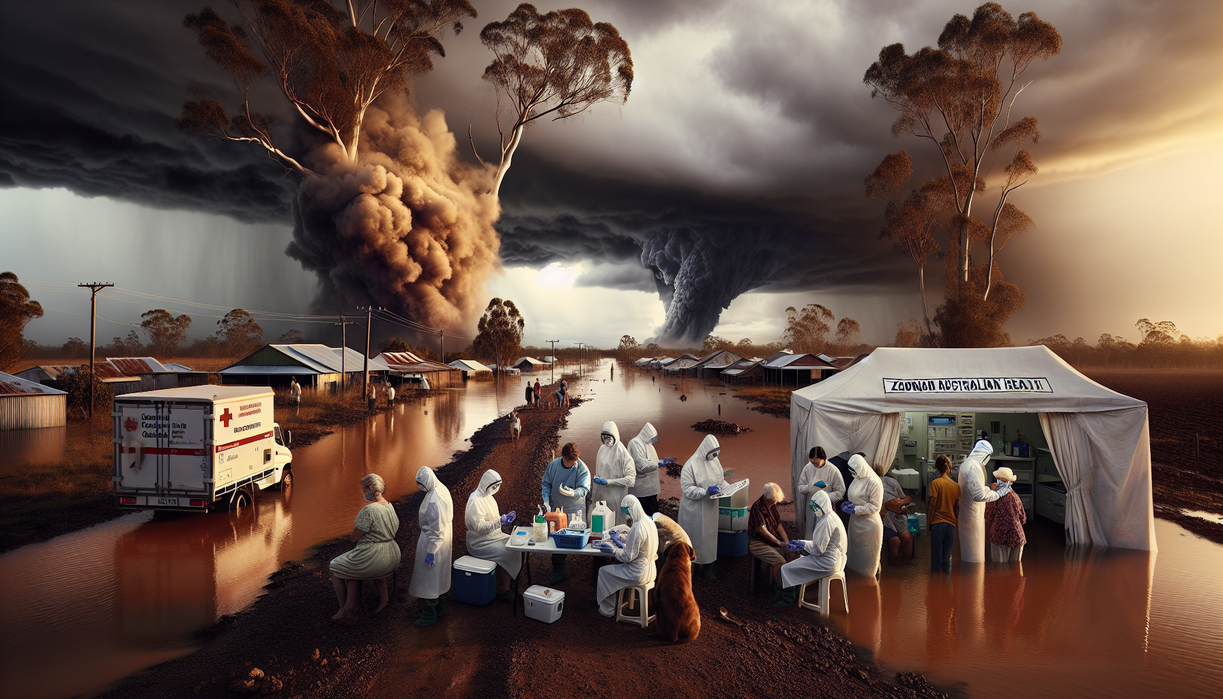
Rural Australia illustrates this risk with alarming clarity. Repeated storms, swollen rivers, and sodden paddocks have set perfect conditions for leptospirosis to spread. Still, awareness often lags behind the rising waterlines. Medical testing, community vigilance, and long‑term research must keep pace with the new climate reality. If public health strategies ignore how environmental conditions are changing, the next big outbreak may not come from a new virus, but from an old bacterium enjoying a new, warmer, wetter world.
Climate Conditions Turning Water Into a Disease Highway
Leptospirosis is caused by spiral‑shaped bacteria that flourish in moist conditions. They hide in the kidneys of infected animals, then leave the body through urine. When storms or floods wash that contamination into puddles, creeks, or irrigation channels, the bacteria suddenly gain a highway. People enter those waterlogged conditions to clean up, farm, or simply move around, often unaware that tiny organisms wait in the mud. Cuts on the skin or contact with the eyes, nose, or mouth provide an entry point, turning everyday activities into infection risks.
Climate scientists warn that extreme rainfall events are becoming more frequent in many regions, including parts of Australia. Each heavy downpour rewrites local conditions, often faster than public health systems can adjust. When rainfall patterns shift, rodents and livestock alter their movements, sheds flood, and storage areas stay damp longer. Those conditions allow contamination to persist, extending the window when humans might be exposed. This transformation is subtle, yet powerful, because it converts familiar environments into risky spaces without obvious warning signs.
The problem is not limited to one disease. Leptospirosis is a useful lens to understand how climate conditions create fertile ground for multiple pathogens. Warmer nights, humidity, and standing water encourage mosquitoes, parasites, and bacteria alike. However, leptospirosis stands out because its early symptoms resemble common viral infections. Fever, headache, and muscle pain arrive under conditions where people may assume they simply caught the flu. That confusion delays treatment and diminishes the urgency to adapt behavior to the new climate‑driven risks.
Rural Conditions, Hidden Exposure, and Missed Diagnoses
Rural communities face a unique mix of conditions that elevate leptospirosis risk. Farmers often wade through flooded yards, move livestock in soggy paddocks, or repair fences along drenched creek lines. At the same time, health services might be distant, understaffed, or dealing with multiple climate emergencies at once. Under these conditions, mild illness can be brushed off as exhaustion or seasonal flu. By the time someone realises that the symptoms might be leptospirosis, organs may already be under serious strain.
Another challenge lies in diagnostic habits shaped by older climate conditions. Many clinicians learned to consider leptospirosis only in narrow settings or tropical regions. Yet shifting rainfall and temperature patterns are redrawing those maps. Places once seen as low risk now experience storms that leave behind ideal conditions for spread. If health professionals do not update their mental checklists, patients from these regions may be sent home with a vague viral label and no targeted tests. That oversight has real consequences for recovery.
My own assessment is that public messaging still focuses too heavily on visible disaster images, rather than the invisible conditions that follow. Television coverage shows washed‑out roads and flooded homes, but rarely highlights muddy boots, contaminated gloves, or untreated cuts as disease pathways. Communities grow skilled at clearing debris while remaining underprepared for microbial threats created by those same clean‑up operations. Until communication strategies reflect the full spectrum of post‑storm conditions, people will continue to underestimate lethality hidden in the water.
Building Smarter Health Systems for Changing Conditions
Preparing for leptospirosis in a warming world requires health systems to read conditions with the same attention farmers give to clouds and soil. That means training clinicians to suspect the disease after floods, expanding routine testing in affected districts, and collecting better data on where cases emerge as conditions evolve. It also means empowering communities with clear, practical advice: wear protective gear in floodwater, cover wounds, keep livestock areas well managed, and seek help quickly if flu‑like symptoms appear after exposure to wet, dirty conditions. From my perspective, the deeper challenge is cultural. We still treat climate change as an environmental topic instead of a daily health issue. The more we recognise that altered conditions shape both weather and disease, the better chance we have to prevent silent outbreaks and protect rural lives before the next storm arrives.