 0
0
 0
0
www.twilightpoison.com – Climate change is no longer a distant warning; it is reshaping the environment around us right now. Floods arrive more often, summers feel harsher, storms turn wilder, while many communities struggle to keep pace. Local governments stand on the front line of this crisis, yet they also hold powerful tools for transformation. The real challenge lies in using those tools to protect people, safeguard the environment, and cut emissions at the same time.
Researchers now propose a fresh approach called “compounded resilience.” Rather than chasing one isolated goal, communities strengthen the environment, critical services, and social systems together. When done well, one investment solves several problems at once. This mindset not only reduces climate risks, it also improves daily life, supports local jobs, and builds long-term confidence in the future.
What Compounded Resilience Means for the Environment
Traditional planning often treats climate adaptation as a separate project, like building a single seawall or raising one road. Compounded resilience looks at the whole environment instead. It asks how one effort might protect homes, lower emissions, improve health, and boost local economies at the same time. Imagine a new urban forest: trees shade streets, reduce heat, store carbon, filter air, encourage walking, and raise nearby property values.
This approach views every climate action as an opportunity to multiply benefits. When a city upgrades drainage, it can add wetlands that restore habitat and clean water. When a town redesigns streets, it can include bus lanes, safer crosswalks, plus bike networks. Each decision creates ripples through the environment and the community. Those ripples, stacked together, form stronger resilience against future shocks.
From my perspective, compounded resilience reflects how people actually experience the environment. Residents do not separate flood risk from energy bills or air quality from mental health. These worries arrive together. A plan that treats them as linked creates more trust. People are far more likely to support climate policies when they see direct improvements in daily life, not just abstract benefits decades away.
Local Strategies that Protect the Environment
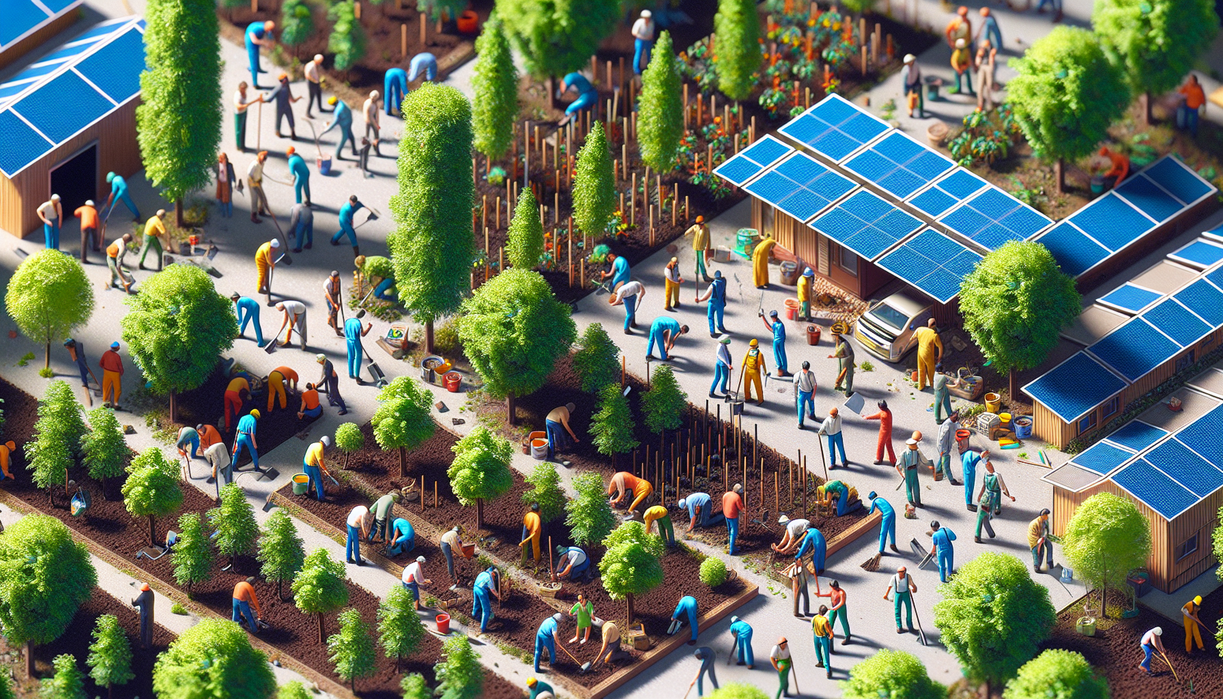
Local governments rarely lack ideas; they usually lack an organizing lens. Compounded resilience provides that lens, so each policy upgrade supports both people and the environment. For example, green infrastructure converts empty lots into rain gardens or small parks. These features soak up stormwater, reduce flood damage, cool nearby streets, attract pollinators, and provide social spaces. One investment delivers several wins across climate, ecology, and community health.
Energy systems offer similar opportunities. Municipalities can replace old streetlights with efficient LEDs powered by solar panels. That reduces emissions, cuts operating costs, improves night visibility, and lowers crime risk in some areas. Housing programs can pair insulation upgrades with rooftop solar. Residents enjoy lower bills and better comfort, while the wider environment benefits from reduced demand for fossil fuels.
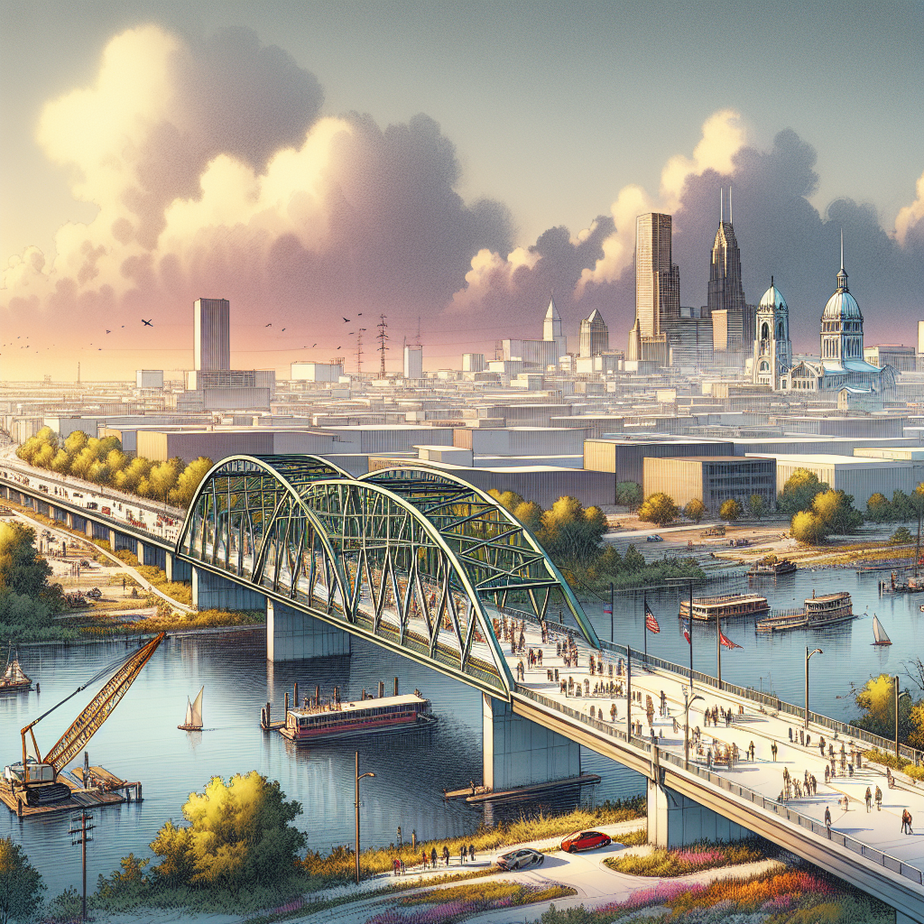
Transportation decisions may decide the fate of the urban environment more than any other sector. Shifting budget priorities away from car-only roads toward public transit, safe cycling, and walkable districts reduces congestion plus tailpipe pollution. It also frees up space for trees, rain-absorbing surfaces, and public plazas. In my view, the most successful cities will treat each new street project as a climate, health, and equity investment, not just a mobility upgrade.
The Human Side of a Resilient Environment
Resilience lives not only in infrastructure but also in relationships, culture, and local knowledge of the environment. When residents trust local leaders, share information, and feel empowered to participate, they respond faster to disasters and recover more completely. Councils can support this social fabric through neighborhood climate councils, citizen science programs that monitor the environment, and participatory budgeting for green projects. My own belief is clear: the more people feel co-owners of their environment, the more resilient their community becomes, because resilience then grows from the ground up, not from a distant office.
Designing Climate Plans that Do More Than React
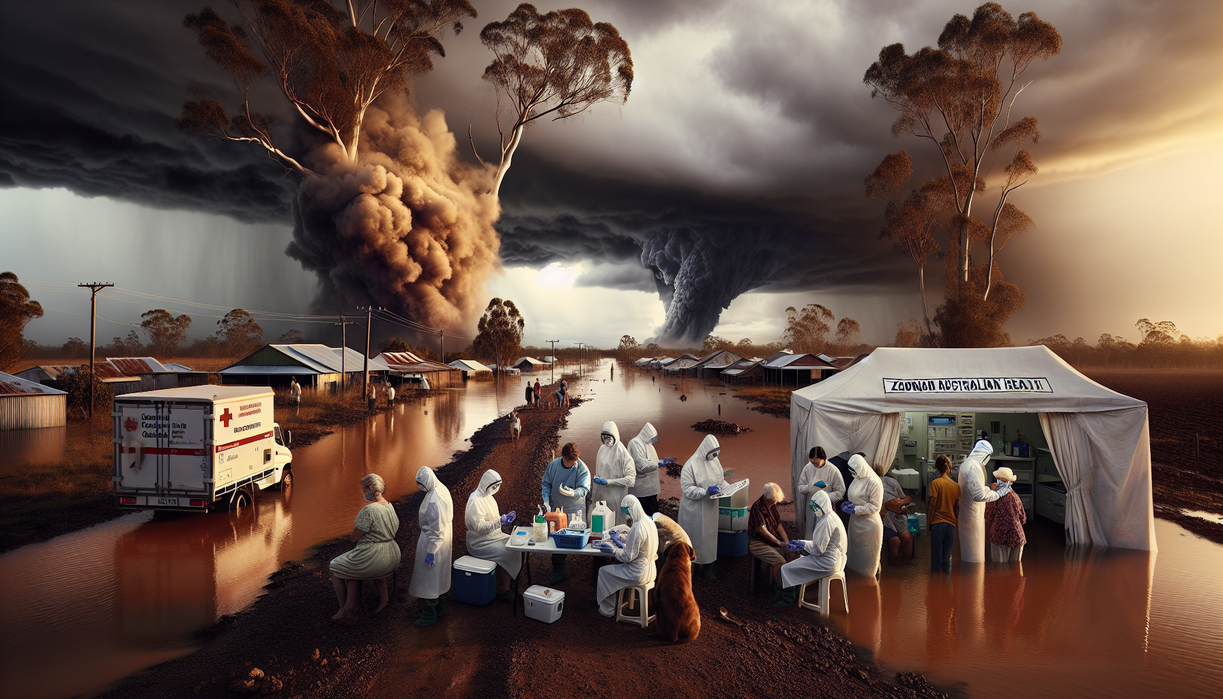
Too many climate strategies still react to disasters instead of preparing for them. Compounded resilience flips this pattern. It places the environment at the center of planning, not as an afterthought to growth or real estate. The guiding question becomes: how can each decision today reduce tomorrow’s climate harm while improving current quality of life? This mindset shifts emergency management toward everyday design choices, such as building codes, zoning, and budget rules.
One practical step involves scenario planning. Cities can sketch several possible climate futures, then test how different projects perform across them. A riverfront park built with raised paths and wetlands might handle moderate floods, extreme floods, and heat waves better than a concrete wall. Scenario planning reveals where nature-based solutions outperform rigid structures. It also surfaces trade-offs before construction begins, saving public funds and protecting the environment.
Personally, I see compounded resilience as a way to break the false trade-off between prosperity and the environment. When leaders involve public health experts, urban designers, ecologists, educators, and local residents, they uncover solutions that serve many priorities at once. The process may feel slower at first, because it demands more voices at the table. Yet outcomes tend to last longer and face less opposition, since benefits are obvious to more people.
Embedding Equity at the Heart of the Environment
Climate change does not hit every neighborhood equally. Low-income communities and marginalized groups often live closer to highways, industry, or floodplains. They already endure heavy environmental burdens before disasters arrive. Compounded resilience insists on centering these realities. If a policy improves the environment only for wealthier districts, it fails the resilience test because social fractures weaken the whole system.
Fair climate planning starts with detailed data. Cities can map heat, flood exposure, air quality, tree cover, and transit access by block or district. Overlaying those maps with income and health statistics reveals hotspots where environment-related risks pile up. Resources then target those zones first. That might mean planting trees where asthma rates soar, or prioritizing flood defenses for renters who cannot afford relocation.
From my perspective, true resilience requires local voices with lived experience. Advisory boards should include residents from high-risk areas, youth groups, and indigenous communities that hold deep knowledge of the local environment. Their insights help avoid blind spots, such as designing parks that feel unsafe at night or imposing solutions that disrupt cultural traditions. Equity becomes not a side note but a central measure of success.
Measuring Progress in a Living Environment
To move beyond slogans, communities must track how climate actions actually reshape the environment and daily life. That means setting clear indicators like reduced heat-related hospital visits, lower flood losses, higher tree canopy, more trips by transit or bicycle, and improved air quality. I believe honest reporting, including setbacks, builds public trust. The environment keeps changing; resilience cannot be a one-time project. It becomes a living practice involving continuous learning, course corrections, and open dialogue about where the community wants to go next.
A Reflective Path Toward a Resilient Environment
Climate resilience can feel overwhelming when framed only as looming catastrophe. Compounded resilience offers a more hopeful narrative. It invites communities to redesign streets, homes, schools, and public spaces so they work better today while preparing for tomorrow. Instead of viewing the environment as fragile scenery, this approach treats it as the foundation of safety, health, and local prosperity. Every tree, bus lane, rain garden, or solar roof becomes part of a larger protective network.
My own reflection is that local governments do not need perfect blueprints before acting. They need clear values, transparent processes, and a willingness to adapt. Starting with small, visible projects can build momentum: a cooler schoolyard, a restored wetland, a safer cycling corridor. Residents see the environment improve, then begin to imagine bolder steps. Over time, these pieces interlock into real, lived resilience, not just plans on shelves.
Ultimately, a resilient environment is less about technology than about relationships: between people and place, between institutions and citizens, between present and future generations. When communities honor those ties, every policy choice carries deeper meaning. The question becomes, not “What must we sacrifice?” but “How can we live well together on this changing planet?” Compounded resilience does not remove climate risk, yet it helps transform fear into shared purpose, rooted firmly in the environment we all depend on.