 0
0
 0
0
www.twilightpoison.com – Winter travel used to feel predictable: storms rolled in, fresh snow fell, and ski towns woke to powder-covered streets. Now, a deepening drought in the American West is rewriting that script, pushing resorts to experiment with high-tech ways to keep their slopes covered. One of the boldest ideas to emerge is the use of drones for cloud seeding, a method that nudges storms to release more snow over mountain peaks favored by travel lovers.
This rapid fusion of aviation, meteorology, and tourism raises big questions about the future of winter travel. Can engineered snowfall protect mountain economies without crossing ethical or environmental lines? Or are we simply delaying a reckoning with climate shifts reshaping where and how we travel? The answer, as always with weather, is complicated, but the story unfolding over US ski resorts is too important to ignore.
From Victorian Curiosity to Travel Technology
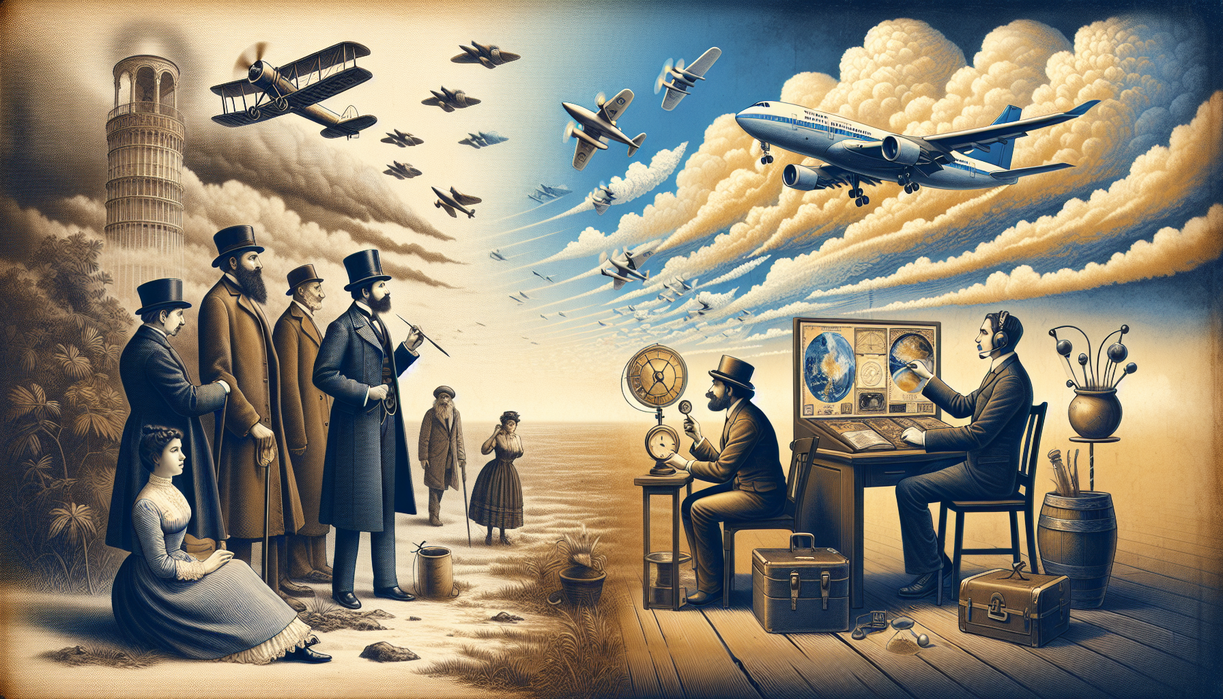
The idea of persuading clouds to give up more rain or snow is not new. Experiments date back to the 19th century, when scientists debated whether artillery fire or smoke could coax storms into action. What feels fresh today is not the concept but the scale, precision, and stakes. Modern travel economies, especially in mountain regions, lean heavily on reliable snow. Resorts now view cloud seeding less as curiosity and more as survival strategy.
Traditional cloud seeding uses aircraft or ground-based generators to disperse tiny particles, often silver iodide, into moisture-rich clouds. Ice crystals then form around these particles, increasing the chance of snowfall. For decades, small programs quietly supported water supplies or ski seasons. Yet the current drought gripping much of the West has pulled this once niche practice into the center of travel planning for winter destinations.
Drones shift this old idea into a new technological era. They can fly lower, at night, and in rougher conditions than many crewed planes, all at lower cost. Resorts that rely on travel traffic from around the world suddenly see an enticing tool. Instead of passively waiting for nature, they can attempt to fine-tune snowfall over specific valleys and ridgelines, aligning storm behavior with lift schedules, events, and holiday calendars.
How Drone Cloud Seeding Works for Ski Travel
In a typical drone-based cloud seeding operation, small unmanned aircraft carry flares or burners loaded with seeding agents. Operators launch drones ahead of or inside a passing storm system. Once the aircraft reach the right altitude and location, they release the particles into supercooled clouds. Under favorable conditions, extra snow falls over the ranges many travelers dream of visiting all year.
From a travel perspective, this technology appeals because it offers something resorts want badly: predictability. Drought does not just reduce snow totals; it scrambles booking behavior. Visitors hesitate to plan trips months ahead if past winters brought bare slopes or icy runs. If drones can slightly improve the odds of better coverage, resorts can market more confidently, sell more season passes, and justify investments in hotels, lifts, and mountain villages.
Yet the science is not a magic wand. Cloud seeding requires clouds with enough moisture and the right temperature profile. It cannot create storms from clear skies, only influence existing systems at the margins. For travel planners, that means risk remains. A warm winter stays warm. Drones may squeeze out a bit more snow, but they will not fully reverse climate trends pushing snow lines higher each decade.
Ethical Skies: Who Owns the Snow in a Travel-Driven World?
As drone seeding expands, an ethical puzzle emerges: who decides where precipitation falls in regions built around travel? If enhanced snowfall benefits a resort, what about communities downwind that might lose some potential moisture? While current research suggests cloud seeding modestly shifts distribution rather than stealing storms, perception matters. Rural ranchers, city water managers, and environmental advocates all watch carefully when resorts adjust clouds to protect tourism revenue. My view: any travel-centered weather project should include transparent data, shared governance, and clear limits, so local economies thrive without turning the sky into a quiet battleground.
The Travel Economy on Thin Ice
US ski resorts sit at the intersection of climate risk and travel demand. Mountain towns depend on visitors who book rooms, rent gear, dine out, and sign up for lessons or guided tours. One poor snow season can ripple through restaurants, shops, and seasonal jobs. When drought stretches across several winters, the pressure becomes immense. Drone-based cloud seeding arrives as both technological hope and symbol of desperation.
For many resorts, especially mid-elevation hills, artificial snow from snowmaking systems already props up early-season travel. Those machines, however, consume huge volumes of water and energy. When reservoirs drop, even snowmaking faces limits. Cloud seeding, by contrast, aims to increase the natural snow budget instead of pumping from lakes or rivers. That distinction appeals to resorts trying to present a greener face to climate-conscious travelers.
Yet sustainability claims deserve scrutiny. Silver iodide and other particles must be manufactured, transported, and burned. Drone fleets require batteries, maintenance, and trained crews. While overall environmental impact may be smaller than large-scale snowmaking, it is not zero. Travelers who care about climate footprints should ask resorts tough questions: How much extra snow do these programs actually produce? How are impacts monitored? Are nearby communities involved in oversight?
Travel Marketing Meets Experimental Weather
Travel advertising loves certainty: bluebird skies, deep powder, and endless runs. The reality, especially under drought, is far more unstable. Resorts now market not only their natural setting but their technological toolkit. Terms like “weather enhancement program” or “atmospheric optimization” appear in subtle ways in brochures and investor reports. Drone cloud seeding becomes part of a brand narrative: this mountain has the tools to deliver snow even in a tough season.
There is a risk in leaning too hard on that message. If visitors interpret marketing as a promise of guaranteed conditions, disappointment will follow during dry winters. Trust erodes quickly in the travel industry when expectations clash with reality. More honest communication would present drone seeding as one element among many, alongside flexible booking policies, diverse activities beyond skiing, and long-term climate adaptation strategies.
From my perspective, the healthiest travel outlook for mountain towns mixes technological innovation with humility. Resorts can experiment with drone seeding while also investing in trails, cultural festivals, spas, and culinary scenes that draw visitors even when snow runs thin. Instead of selling a fantasy of unchanging winters, they could invite travelers into the real story: a community learning to live with a shifting climate.
Personal Reflections as a Winter Traveler
As someone who loves winter travel, I feel a genuine tug-of-war inside. The thought of drone-assisted storms over mountain passes sparks curiosity and unease at once. I want reliable snow days, but I also want the atmosphere treated with respect, not as a dial we twist whenever travel revenue dips. When I book future trips, I will look for resorts that treat cloud seeding as one tool in a broader climate strategy, not a glossy fix. I hope more travelers will ask where their lift tickets fit into the bigger hydrological story, because our choices nudge the industry toward either thoughtful adaptation or relentless short-term gains.
Looking Ahead: Travel in an Engineered Winter
Drone-based cloud seeding hints at a future where travel depends more directly on infrastructure woven into the sky. The same tools used to bolster ski seasons might someday support water supplies for summer tourism or agriculture. That possibility carries both promise and tension. If technology can smooth some of climate’s rough edges, we gain time to adapt. Yet every new lever we pull invites harder questions about equity, control, and long-term consequences.
Travelers may soon rank resorts not only by trail maps but by ethical policies. Does a destination report seeding data openly? Collaborate with scientists and local water districts? Invest in emissions cuts, not just snow boosts? Those details will shape how confident we feel choosing one mountain over another. In an era where every flight and hotel stay feels entangled with climate change, transparent governance of weather projects becomes part of the travel experience itself.
Ultimately, drone snow is a mirror reflecting our values. We could use it to cling rigidly to old expectations of winter travel, demanding the same powder days our grandparents enjoyed. Or we can treat it as a careful bridge, helping communities adjust while they diversify economies and cut emissions. The choice rests not only with resort owners and policymakers but also with every traveler who decides where to spend time, money, and attention.
Travel Choices in a Warming World
Climate models point toward shorter, more erratic winters in many regions that built identities around snow. As reliable chill retreats upslope, some lower resorts will reinvent themselves as four-season adventure bases rather than pure ski hubs. Drone-assisted cloud seeding may give them a few more solid seasons, buying time to pivot. For travelers, that means reconsidering what winter escape really means: is it only about skiing, or also about mountains, culture, and quiet?
We already see creative responses in travel planning. Some visitors stack activities: a few days on uncertain snow, followed by hot springs, museums, or food tours in nearby cities. Others shift trips later into the season when natural snowpack, if it arrives, is more stable. As these patterns evolve, resorts that rely on drone seeding should place equal energy into resilient, all-weather experiences that draw guests regardless of snowfall charts.
My personal stance is simple: embrace the wonder of travel while staying clear-eyed about its climate context. I will still plan winter trips, still chase the feeling of carving through soft snow, but with a willingness to adjust when nature delivers something else. If drones played a role in a storm overhead, I would want to know how, why, and under whose guidance. Respectful curiosity might become one of the most important traits a modern traveler can carry alongside their boots and goggles.
Conclusion: Rethinking Wonder in the Age of Drone Snow
When we stand on a ridge, watching snow drift across distant peaks, that sense of wonder fuels much of our urge to travel. Drone-powered cloud seeding does not erase that feeling; instead, it complicates it. The flakes under our skis might now carry a faint imprint of human decision-making. Navigating this new reality will require humility, science literacy, and honest dialogue between resorts, residents, and visitors. If we approach engineered snow as a temporary ally rather than a permanent guarantee, mountain travel can evolve with integrity. The real question is not whether drones can help it snow, but whether we will use that ability to protect both livelihoods and the fragile magic that sends us chasing winter in the first place.