 0
0
 0
0
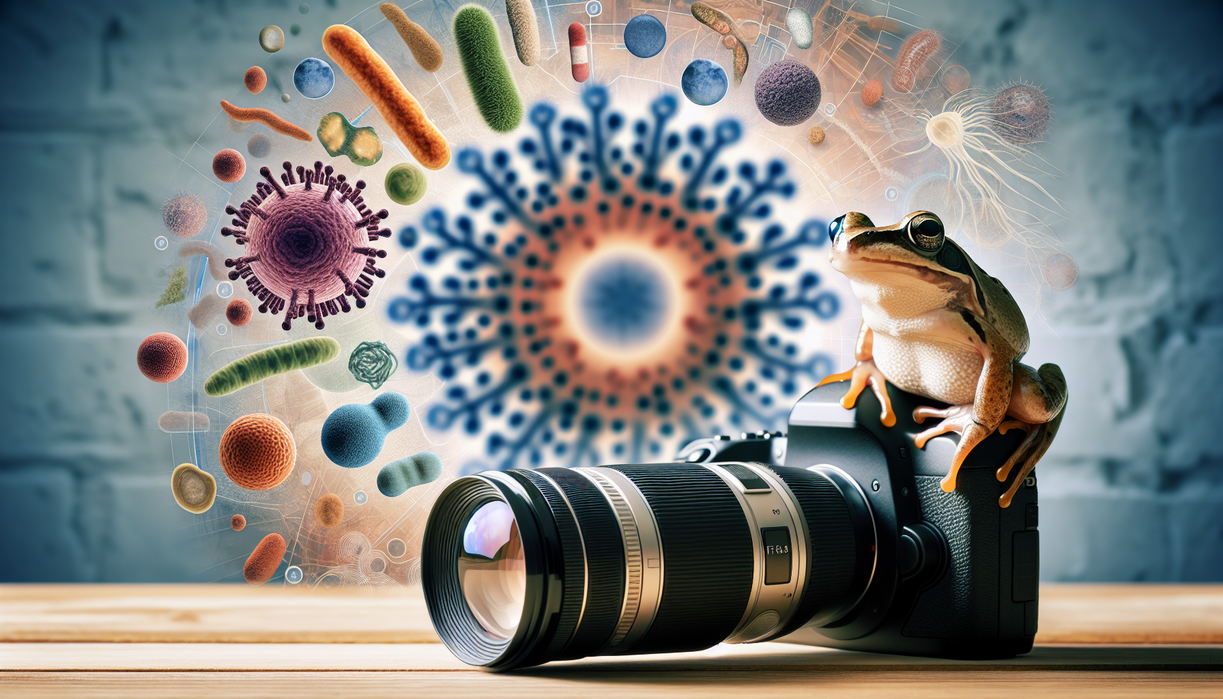
www.twilightpoison.com – Microbiome therapeutics just gained an unlikely hero: a tiny bacterium living on the skin of Japanese tree frogs. Researchers at the Japan Advanced Institute of Science and Technology (JAIST) discovered that this microbe, Ewingella americana, shows remarkable anticancer properties, revealing fresh possibilities for medicine. Instead of focusing only on human cells or chemical compounds, scientists are now exploring how partnerships with environmental microbes could transform oncology.
This finding highlights a quiet revolution underway. Our understanding of the microbiome has expanded from gut health to mental wellness, immunity, and now tumor control. If frog-associated bacteria can fight cancer, what other hidden allies might exist on animals, plants, or even soil? Microbiome therapeutics could soon move from experimental edge case to a central pillar of precision healthcare.
From Frog Skin to Frontline Cancer Research
The story begins on the moist skin of Japanese tree frogs, where Ewingella americana forms part of a complex microbial community. Researchers isolated this bacterium while studying how amphibians defend themselves against pathogens. During screening, they noticed strong inhibitory effects on cancer cell lines. That unexpected signal pushed the team to look deeper, guided by advanced analytical tools and artificial intelligence.
Instead of classic trial-and-error drug discovery, the group leveraged AI to map possible bioactive compounds produced by the frog-associated microbe. Algorithms highlighted molecules with structures consistent with anticancer activity. Laboratory tests then validated multiple candidates, confirming real cytotoxicity toward cancer cells while leaving many healthy cells relatively unharmed. This tightening loop between computational prediction and wet-lab validation now drives quicker microbiome therapeutics pipelines.
Crucially, the bacterium does not operate as a blunt weapon. Early data suggests it may interfere with signaling pathways that tumors use to grow or evade immune surveillance. If further research clarifies these mechanisms, Ewingella-derived compounds could become templates for highly targeted treatments. That shift would place environmental microbes right beside synthetic chemistry as equal partners in the evolution of oncology.
Microbiome Therapeutics: A New Medical Frontier
Microbiome therapeutics focus on leveraging entire microbial communities, single strains, or their metabolites to prevent or treat disease. Over the last decade, attention has centered largely on the human gut, where trillions of microbes influence digestion, metabolism, and even mood. Yet the frog discovery proves powerful microbes exist far beyond our internal ecosystem. Skin, lungs, oceans, forests, and amphibian ponds all represent potential pharmacies.
Cancer represents a particularly promising target. Tumors interact constantly with surrounding microbes, either directly or through immune system modulation. Some bacteria stimulate immune cells to attack malignancies more aggressively. Others secrete molecules that trigger programmed cell death inside tumor cells. Microbiome therapeutics can be designed to tilt this balance, encouraging microbes that hinder cancer while suppressing those that assist it.
Compared with conventional chemotherapy, microbe-inspired therapies may deliver several advantages. They often produce highly specific molecules evolved over millions of years to interact with biological systems. These compounds might hit unique targets unreachable by standard drugs. In addition, carefully selected live microbes may colonize tissues temporarily, delivering ongoing therapeutic molecules straight to problem sites. That vision has not yet fully materialized, yet the frog story pushes it closer to reality.
AI as a Catalyst for Next-Generation Microbial Drugs
Artificial intelligence now sits at the heart of many microbiome therapeutics programs, including the analysis of Ewingella americana. Genomic sequencing reveals massive catalogs of microbial genes, but interpreting them requires pattern recognition far beyond human capacity. Machine learning models scan these genomes for biosynthetic gene clusters that likely encode new bioactive molecules, then prioritize candidates with desired features such as anticancer potential.
In the frog project, AI tools accelerated the path from raw genomic data to functional insights. Instead of randomly testing hundreds of extracts, researchers narrowed options to a handful of high-value targets. That efficiency reduces costs and speeds up translation from lab bench to preclinical studies. As algorithms improve, they might predict not only which microbes produce useful molecules, but also how those molecules behave in dynamic human ecosystems.
My perspective: AI will not replace experimental biology; it will amplify it. Environmental sampling, careful culturing, and phenotypic testing remain vital. However, pairing these with AI-driven prediction turns each new microbial isolate into a data-rich asset. For microbiome therapeutics, that synergy could unlock vast libraries of natural drugs, most of which have remained hidden in plain sight on animal skin, plant roots, or deep-sea vents.
From Amphibian Microbes to Human Medicine
Translating a frog microbe into a human medicine involves many hurdles. Safety sits first. Researchers must show Ewingella americana, or its products, do not trigger harmful immune reactions or disrupt beneficial human microbes. Purified compounds might prove safer than live bacteria, but live-cell approaches can offer sustained delivery. Careful design will likely combine both options, depending on cancer type and patient condition.
Delivery strategy presents another challenge. Should these microbiome therapeutics reach tumors through oral capsules, topical applications, engineered probiotics, or targeted injections? For skin cancers, a topical cream infused with microbial metabolites may suffice. Deep organ tumors might require nanoparticle carriers or modified bacteria that home toward low-oxygen tumor cores. Every route must preserve molecule stability while limiting off-target effects.
Ethical and ecological issues also require attention. Harvesting microbes from wildlife ecosystems must respect biodiversity and avoid disruption. Fortunately, once a microbe has been sequenced and characterized, it can usually be grown in controlled settings or synthesized using engineered lab strains. That approach allows continued development after a single minimal sample, protecting both the frogs and their habitats.
Reframing How We View Microbial “Germs”
Culturally, microbes have worn a villain’s mask for over a century. Public health campaigns taught people to fear germs, scrub surfaces obsessively, and eradicate bacteria on contact. Discoveries like the cancer-fighting frog bacterium force a more nuanced view. Microbes can be foes, but also guardians, engineers, and pharmacists. Microbiome therapeutics invite us to collaborate with them instead of waging endless war.
This shift carries personal implications. Our lifestyle choices reshape microbial communities on skin, in the gut, and across our homes. Overuse of harsh disinfectants, narrow diets, or unnecessary antibiotics can strip away helpful species, including those that might keep inflammation or cancer risk lower. As science reveals more protective microbes, healthcare may move toward supporting microbial balance rather than chasing sterility.
From my standpoint, this philosophical pivot is as important as any single drug. Seeing microbes as potential partners invites curiosity instead of fear. It encourages children to explore nature, scientists to sample unconventional environments, and policymakers to protect ecosystems as reservoirs of future medicine. Every frog, tree, or tide pool may harbor species with untapped therapeutic power.
The Road Ahead for Microbiome Therapeutics
The discovery of Ewingella americana’s anticancer potential does more than add one candidate drug to the pipeline; it signals a broader transformation in biomedical research. Microbiome therapeutics, once a niche concept, now sit at the intersection of ecology, genomics, AI, and oncology. Over the coming years, we can expect more animal-associated microbes to yield surprising compounds, multidrug regimens that blend classic chemotherapy with microbial metabolites, and perhaps even personalized microbial cocktails matched to an individual’s tumor profile. Progress will be uneven, setbacks inevitable, yet the core insight remains powerful: health does not arise from human cells alone. It emerges from intricate alliances with countless microscopic partners. Reflecting on the humble frog and its microbial ally, we glimpse a healthcare future shaped less by domination of nature and more by respectful collaboration with it.