 0
0
 0
0
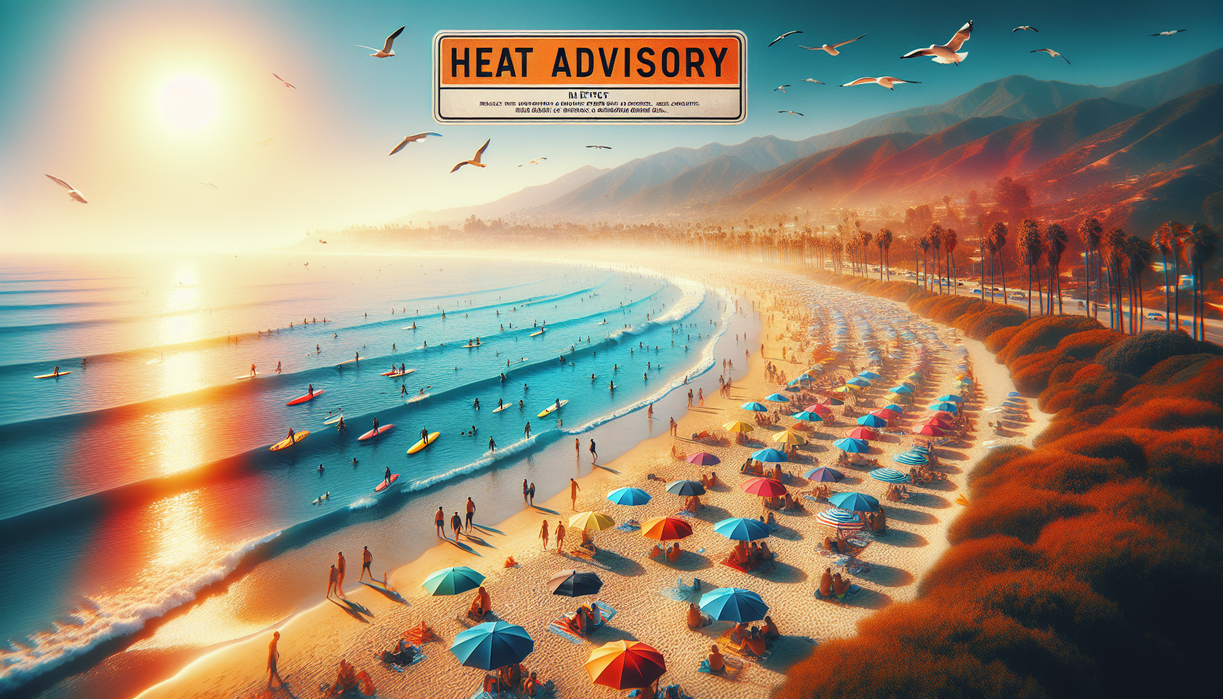
www.twilightpoison.com – The National Weather Service has issued a heat advisory for the Malibu coast, reminding residents and visitors that even paradise can turn risky when temperatures spike. From 10 a.m. to 6 p.m. on Sunday, March 8, this heat advisory highlights a narrow but crucial window where the sun, ocean breeze, and human activity combine into a potentially dangerous mix. For a community that often equates beach days with carefree relaxation, this warning asks everyone to pause and take heat risk more seriously.
Many locals see a heat advisory as just another warm Southern California day, yet the science and recent weather trends suggest something deeper. As a writer who follows coastal climate patterns, I see this notice as part of a growing story about our changing relationship with the ocean, our bodies, and extreme weather. Malibu’s postcard views can hide real hazards when temperatures soar, humidity shifts, and people underestimate how quickly heat stress can set in near the water.
What a Heat Advisory Really Means for Malibu
On paper, a heat advisory sounds simple: forecast temperatures and heat index reach levels where health problems become more likely. In practice, especially along the Malibu coast, the message is more nuanced. Coastal communities often expect relief from marine layers and cool breezes, so a formal heat advisory signals that those natural protections will fade for several hours. Temperatures may rise faster than people anticipate, paving the way for dehydration, cramps, and even heat exhaustion among surfers, hikers, and beachgoers.
Malibu’s unique geography amplifies this issue. Rugged canyons funnel warm air from inland areas toward the shore, while dark pavement on Pacific Coast Highway and sun‑baked cliffs radiate additional heat. During a heat advisory, this microclimate transforms from pleasant to punishing with surprising speed. Visitors strolling along the pier or hiking local trails may not realize that each exposed surface boosts the overall heat load on their bodies, especially when shade and water breaks are limited.
Local emergency responders quietly prepare whenever a heat advisory goes out. Lifeguards look for early signs of heat distress, such as confusion or rapid breathing in swimmers who have been in the sun too long. Paramedics know calls can spike, not only for tourists but also for older residents and outdoor workers. To me, the real meaning of a heat advisory in Malibu is this: nature has turned up the difficulty level, and the margin for error grows smaller for everyone outside between late morning and early evening.
Health Risks Hiding Behind the Ocean Breeze
One of the most deceptive aspects of a Malibu heat advisory is the comforting feel of the ocean breeze. That breeze can trick people into believing the heat is harmless, even pleasant. Yet your body does not negotiate with wind; it responds to temperature, humidity, and sun exposure. When sweat evaporates too slowly, or when you forget to drink water, core temperature rises. The first signals are subtle—mild dizziness, fatigue, a headache that feels like simple tiredness—until they escalate into full heat exhaustion or worse.
Children and older adults face special challenges under a heat advisory. Kids often ignore early discomfort because the beach is fun, waves look inviting, and games on the sand feel exciting. Older adults may have medical conditions or medications that affect hydration and temperature control. I often think of a heat advisory as a quiet test of how well a community looks out for its most vulnerable members. Are families packing enough water? Are neighbors checking on each other? These small actions define whether a hot day stays safe or turns tragic.
Another hidden risk lies with those who work along the Malibu coast. Construction crews, landscapers, parking attendants, and food vendors may spend hours under direct sun. Some lack consistent access to shade or breaks. From my viewpoint, a heat advisory should push local businesses and authorities to rethink schedules, offer cooling stations, and adjust expectations for outdoor labor. Productivity never outweighs basic health, especially when the warning signs are clear hours before peak heat arrives.
Practical Ways to Stay Safe When Heat Spikes
Staying safe during a Malibu heat advisory does not mean abandoning the beach; it means approaching the day with intent. Plan vigorous activities for early morning, then shift to lighter routines once the advisory window starts at 10 a.m. Wear light, breathable clothing plus a wide‑brimmed hat, and choose shade whenever possible. Drink water long before thirst kicks in, avoid heavy alcohol consumption, and keep a close eye on friends who seem unusually tired or irritable. For surfers and swimmers, remember that cool water can mask overheating, so take regular breaks on shore to reassess how you feel. As I see it, the goal is balance: enjoy the warmth, respect your limits, and treat a heat advisory as a shared responsibility, not just a technical forecast term.