 0
0
 0
0
www.twilightpoison.com – Health experts have long advised eating more fish, yet new research suggests the story is more complicated for people with allergies. It turns out that health risks from fish are not just about species alone, but also size, age, and which part ends up on your plate. This fresh perspective invites us to rethink how we talk about safe seafood choices for sensitive individuals.
For up to 3% of people worldwide, a fish dinner can trigger reactions that range from mild itching to severe anaphylaxis. When health is at stake, small details matter: a fillet from a young, small fish may not pose the same threat as meat or organs from a larger, older specimen. Understanding these subtleties can transform fear into informed, confident decisions.
Health Risks: More Than Just the Fish Species
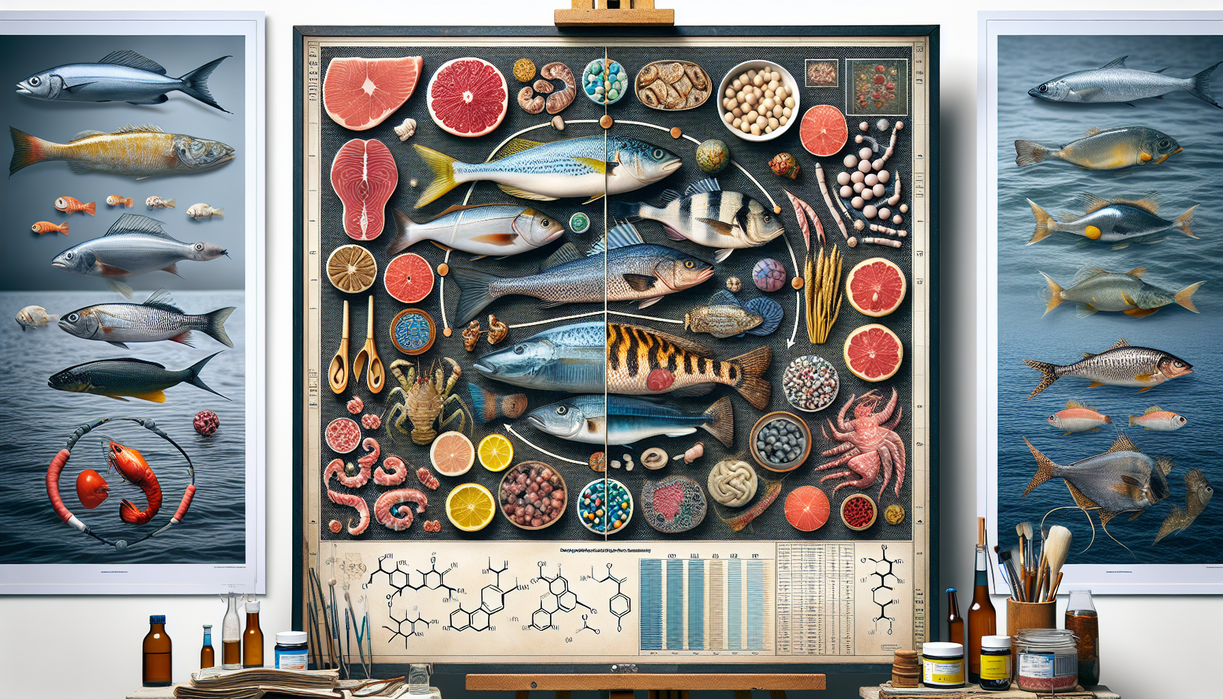
Most people assume fish allergy equals one simple rule: avoid all finned fish forever. Recent investigations reveal a more nuanced picture for health-conscious consumers. Allergenic proteins are not evenly distributed across a fish’s body. Concentrations can vary between muscle, skin, roe, and internal organs. As a result, two people eating the same species might experience very different reactions, based solely on which part they consume.
Size also plays a critical role in health risk. Larger fish often live longer, accumulate more proteins, and may harbor higher levels of specific allergens. Smaller fish, especially juveniles, might carry lower loads of the proteins that trigger immune responses. This does not guarantee safety, yet it suggests a spectrum of risk instead of a simple yes-or-no rule for allergic individuals.
Regional food culture adds another layer to the health equation. In some areas, people favor fillets and discard organs. In others, soups, stews, and street food may use heads, bones, and offal. Since allergen levels may be higher in certain parts, a person could tolerate fillets abroad but react strongly to a traditional dish at home. That contrast highlights how culture quietly shapes health outcomes for those managing allergies.
Why Fish Size Influences Allergy Health
From a biological perspective, bigger fish usually mean older fish. Over time, these animals build more muscle tissue and may express allergenic proteins more abundantly. The immune system of an allergic person reacts to specific protein structures, so higher levels increase the odds of crossing the threshold that triggers symptoms. Health professionals must consider this when advising patients who ask whether a small local fish is safer than a massive ocean predator.
Larger species also tend to sit higher in the food chain. They accumulate not only allergens but also contaminants such as mercury or persistent organic pollutants. While these toxins relate more to general health than classic allergies, they can intensify stress on the body. When overall health is already fragile, added burdens from contaminants may aggravate responses or complicate treatment after a reaction.
For individuals striving to protect their health, this means size-based choices matter. Choosing smaller fish with shorter lifespans could reduce total exposure to both allergens and pollutants. Yet no universal rule fits everyone. Some patients react strongly even to traces of allergen in tiny fish. Personalized evaluation with an allergist remains essential. Scientific insight offers guidance, but lived experience and medical testing determine real-world safety.
Which Fish Parts Carry Higher Health Risks?
Allergenic proteins such as parvalbumin often occur at higher levels in certain tissues, especially dark muscle, skin, and sometimes organs like liver or eggs. Fillets from lean muscle may contain lower concentrations compared with richly flavored cuts or organ-based dishes. For people who value health and still hope to enjoy seafood, this distinction can be empowering. Under specialist supervision, some might tolerate limited amounts of carefully prepared, low-allergen cuts, while steering clear of broths, fish heads, roe, or processed products where concentrated proteins are more likely. This tailored strategy respects both cultural food traditions and personal health boundaries, instead of demanding a one-size-fits-all ban on every type of fish.