 0
0
 0
0
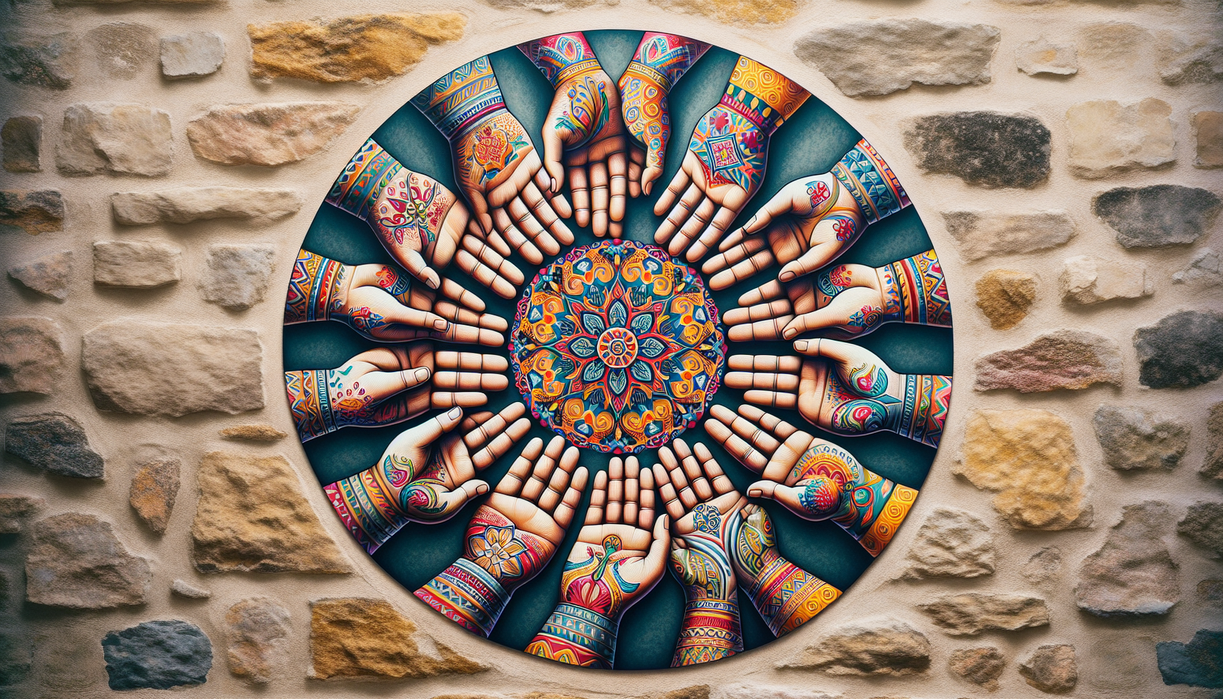
www.twilightpoison.com – Along the historic World Heritage Trail, a striking new sculpture called “Kindred” rises above the riverbank, quietly spotlighting the enduring spirit of the San Antonio Missions. Two monumental steel hands emerge from the water, fingers slightly cupped, as if lifting stories from the river itself. The work honors community, ancestry, and a shared landscape shaped over centuries. It also nudges visitors to see the missions as living places, not frozen relics.
Created with inspiration from a descendant connected to Mission San José and the broader San Antonio Missions legacy, “Kindred” turns memory into metal. Its towering presence feels both ancient and modern. When sunlight hits the steel surfaces, reflections shimmer across the water, echoing voices from generations who prayed, worked, struggled, and built lives along this corridor.
San Antonio Missions Meet Contemporary Art
The San Antonio Missions already draw travelers who love history, architecture, or faith traditions. Now “Kindred” offers a fresh way to experience the area, by inviting viewers into a quiet conversation between past and present. The installation sits along the World Heritage Trail, a route that stitches together the missions through walkways, bike paths, and river segments. Visitors encounter the sculpture as part of a larger journey, not a stand‑alone attraction.
Public art near historic sites often walks a fine line. Go too literal, and the result feels like an oversized souvenir. Lean too abstract, and context gets lost. “Kindred” navigates that tension through a universal gesture: open hands. Hands speak across cultures. They give, receive, protect, welcome. In the shadow of the San Antonio Missions, they also recall labor, craft, and devotion.
I read the imagery as a kind of bridge. On one side stand the limestone walls, fresco traces, and chapel bells of the missions. On the other, an evolving city shaped by many cultures. The sculpture does not try to retell every chapter of history. Instead, it offers a symbol of relationship. Two hands rising from water hint at the idea that heritage is something we hold together, not alone.
Hands, Water, Heritage: Layers of Meaning
Using hands as the central motif feels especially powerful for the San Antonio Missions story. These sites did not appear by magic. Native communities, Spanish clergy, soldiers, and families carved out lives here with real effort. Stone hauled, fields tended, food prepared, children raised. Every task required human touch. Large steel hands towering above the river surface almost function as a tribute to unseen workers across centuries.
The water element adds another dimension. The missions relied on elaborate irrigation systems, acequias that supported crops and daily life. Rivers link these historic precincts to each other, to surrounding neighborhoods, and to the wider region. Seeing hands appear to rise from the water suggests heritage emerging from landscape. It reminds us that the story of the San Antonio Missions cannot be separated from the land and waterways that sustained them.
Personally, I appreciate how “Kindred” does not shy away from complexity yet remains accessible. The sculpture does not lecture. Children see giant hands and immediately respond with curiosity. Adults sense deeper symbolism. Visitors who know the history of displacement, cultural exchange, and resilience connected to the San Antonio Missions can read those layers into the work. People without that background still feel the emotional pull of uplifted hands catching the light.
Community Voices Shaping the San Antonio Missions Story
“Kindred” emerged through inspiration traced to a descendant of Mission San José, which roots the project in lived experience rather than distant commentary. That grounding matters. When descendants help shape artwork near the San Antonio Missions, the narrative moves beyond tourism slogans toward authentic remembrance. As cities grow, it becomes easy to flatten heritage into branding. Pieces like “Kindred” push against that trend by asking whose stories are carried forward, whose hands we see, and whose remain invisible. For me, the sculpture’s real power lies not only in its steel form but in the questions it raises about belonging, stewardship, and the shared task of honoring the past while shaping a more inclusive future.