 0
0
 0
0
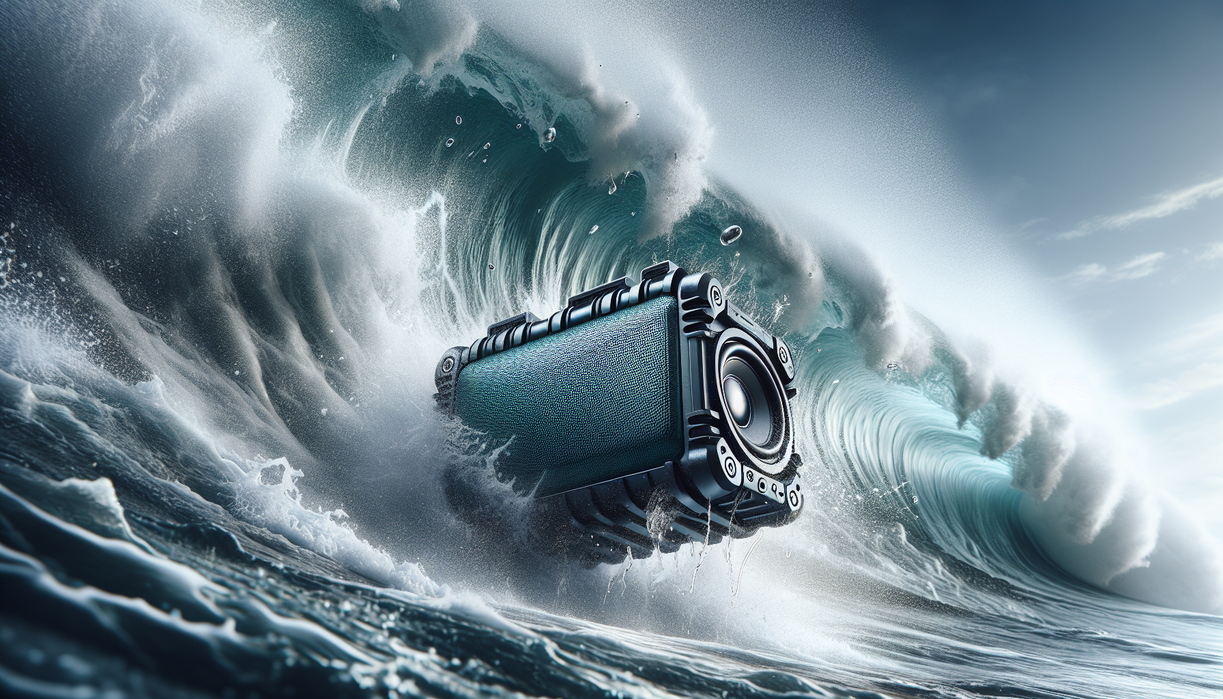
www.twilightpoison.com – When a barnacle-crusted JBL speaker reportedly washed up after drifting through the ocean for three months, still pumping out music, social media exploded. Many hailed it as proof of rugged technology, others called it a salty tall tale. Either way, the story has pushed a simple beach find into a global conversation about what modern gadgets can endure when nature takes over.
This viral claim taps into a powerful mix of curiosity about durability, skepticism about marketing promises, and fascination with how technology behaves outside lab conditions. A wave-tossed Bluetooth speaker, allegedly playing on after a season at sea, offers more than amusement. It raises questions about design philosophy, environmental costs, and our deepening reliance on devices built to survive just about anywhere.
How a Lost Speaker Became a Tech Legend
The image of a JBL speaker coated with sea life feels almost mythic, like a prop from a pirate film. Social media users joked about discovering “Davy Jones’ speaker,” yet below the humor lies a serious point about modern technology. Consumers crave gear that keeps working through spills, storms, and unexpected disasters. A device that seems to survive months in salt water fits perfectly into that fantasy, even if every detail of the story remains unverified.
JBL, like many audio brands, promotes portable speakers with water resistance, dust sealing, and shock protection. These features rely on clever technology: rubber gaskets, tight enclosures, hydrophobic coatings, and careful testing. Official ratings such as IP67 or IP68 suggest short-term immersion tolerance, usually measured in minutes rather than months. The viral ocean tale stretches those numbers to extremes, so it feels less like a spec sheet and more like folklore born from engineering success.
Still, the fact people even find the story somewhat plausible reveals how far consumer technology has come. A few decades ago, a splash from the pool could doom your stereo. Today a rugged Bluetooth speaker can survive pool parties, camping trips, and surprise storms. The ocean-wanderer anecdote might exaggerate real performance, yet it sits atop a foundation of genuine advances in materials, sealing techniques, and battery design that make such feats seem almost believable.
The Technology Behind Rugged Survival Claims
Water-resistant speakers rely on a mix of mechanical design and smart material choices. Engineers create sealed compartments for the circuitry, use O-rings around vulnerable joints, and cover ports with tight flaps or membranes. Grilles often feature corrosion-resistant metals or coated fabrics. These details do not grab headlines, yet they form the quiet backbone of modern rugged technology. Without such careful layering, one wave of salt water would end the party before the first chorus.
Beyond basic sealing, audio technology has integrated advances from smartphone design and even aerospace engineering. Conformal coatings protect circuit boards from moisture. Improved adhesives guard against separation under temperature swings. Batteries use safer chemistries and reinforced casings for vibration resistance. None of this guarantees a device can survive free-floating in the ocean for an entire season, but each innovation adds one more barrier between delicate electronics and a harsh world.
However, technology marketing often blurs the line between tested resilience and mythical indestructibility. A product might pass standardized immersion tests in controlled tanks. Long-term exposure to agitated, salty, debris-filled ocean water poses a far harsher environment. Barnacles, algae, sand, and micro-cracks all accelerate failure. So while the viral JBL story showcases how people want to believe in heroic gadgets, real-world performance remains limited by physics, chemistry, and slow corrosion.
What This Story Says About Us and Our Tech
My own view is that the drifting speaker saga matters less as a strict engineering case study and more as a mirror for our relationship with technology. We have grown so used to robust devices that a “three months at sea” legend feels only slightly exaggerated, not utterly impossible. That trust reflects impressive progress in design, yet it can also hide the environmental footprint of countless lost gadgets bobbing through our oceans. Whether this specific speaker truly played on after its maritime adventure, the tale encourages a useful pause: admiration for clever engineering, balanced with critical thinking about hype, plus a fresh awareness of the need to build technology that survives use without becoming long-term pollution. In the end, a barnacle-covered speaker on a beach is both a tribute to human ingenuity and a quiet reminder of our responsibility to the world where our inventions drift.