 0
0
 0
0
www.twilightpoison.com – Wildfires in western Nebraska are turning quiet plains into tense front lines, as crews race to contain both new ignitions and stubborn, long‑burning flames. Over a single weekend, firefighters faced several wildfires at once, juggling fresh outbreaks with older blazes still smoldering in rugged grassland and pasture. The situation highlights how quickly fire risk can escalate when hot, dry weather combines with gusty winds across the High Plains.
These wildfires are not just dramatic images on the evening news; they are disruptive, exhausting, and deeply personal for the people who live close to the smoke. Ranchers worry about herds, families watch the horizon at night, and volunteers leave their regular jobs to haul water and cut fire lines. As the 2024 season unfolds, western Nebraska’s wildfires offer a real‑time lesson about resilience, preparation, and the rising stakes of a hotter, drier climate.
Rising Fire Danger Across the Western Plains
Wildfires usually bring to mind towering forests, not Nebraska’s wide open prairies. Yet the recent surge of wildfires across the state’s western counties shows how vulnerable grassland can be when conditions line up just right. Weeks of limited rainfall, cured grasses, and warm temperatures create a ready fuel bed. Add a spark from machinery, a discarded cigarette, or a dry lightning strike, and a small flame can sweep across hundreds of acres in a single afternoon.
Local fire chiefs have watched the fire danger index climb steadily, with red flag warnings appearing more often on weather maps. When those alerts go out, even simple tasks can feel risky. Mowing a field or welding a fence post can throw off a single ember. For rural communities, that means planning daily routines around the forecast. The awareness is higher now, but the margin for error is smaller than it used to be.
From my perspective, these wildfires underscore how the traditional mental map of U.S. fire country is outdated. Western Nebraska sits between well‑known hotspots like the Rocky Mountains and the central Plains, yet its grasslands can burn just as fiercely. The region’s role as agricultural heartland makes each wildfire more than an environmental story. It becomes an economic and cultural crisis, threatening livelihoods built over generations.
Crews on the Line: Strategy, Exhaustion, and Resolve
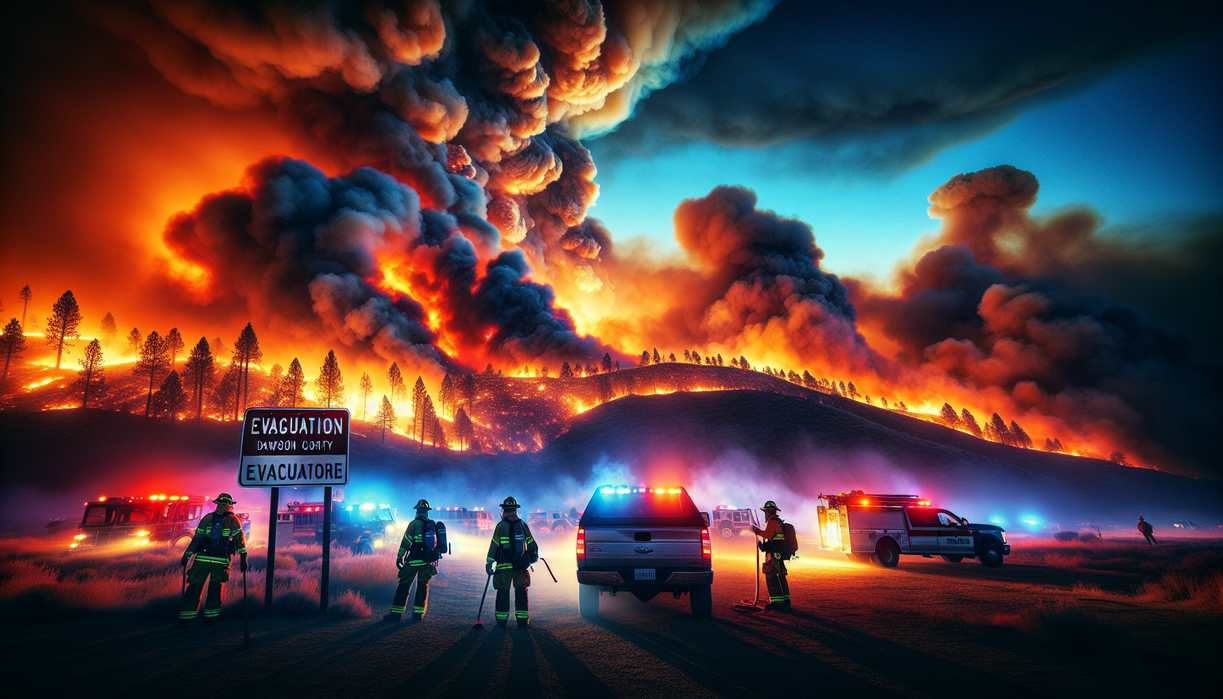
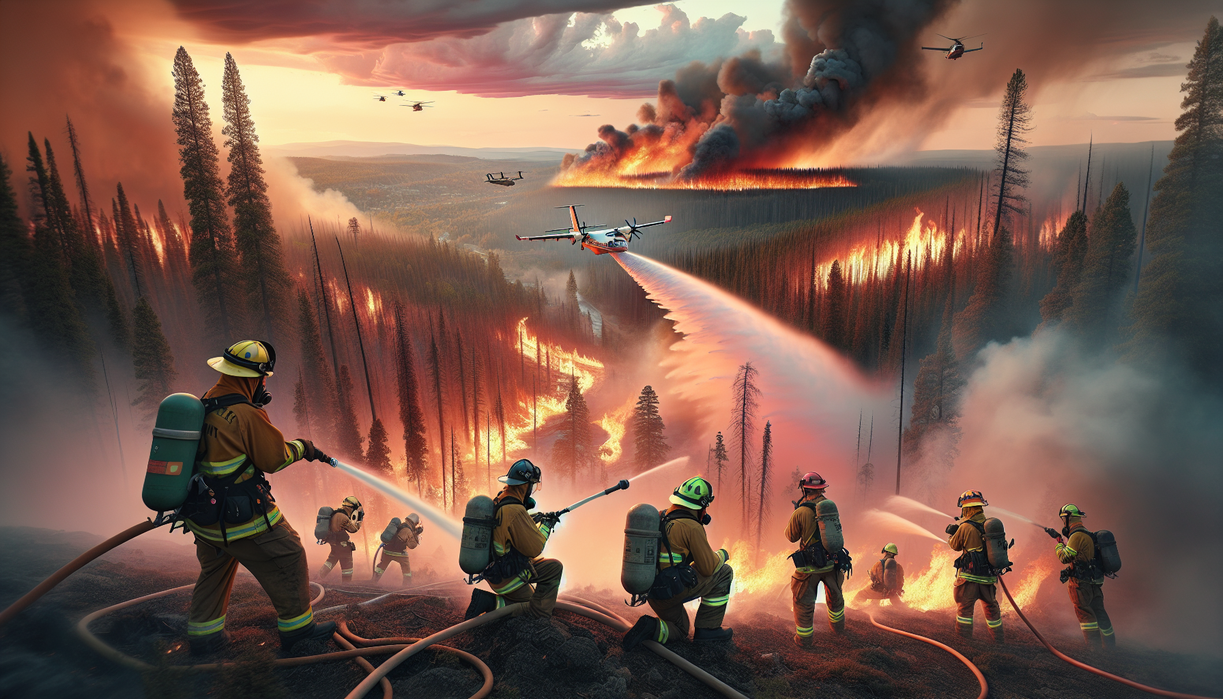
Fire crews battling these wildfires face a constantly shifting puzzle. New ignitions demand rapid response, while established fires still require patrols, mopup, and reinforcement of containment lines. Volunteer departments from small towns often send multiple trucks, leaving only skeleton crews back home. Mutual‑aid agreements with neighboring counties become lifelines, as engines and tankers shuttle from one incident to another across dusty backroads.
Tactically, grassland wildfires differ from forest fires, yet they can be just as volatile. Flames spread fast along dry pastures, especially when wind changes direction without warning. Crews use bulldozers to carve firebreaks, while trucks lay down water and foam along fence lines. A blaze might appear under control by evening, then flare again overnight when embers reach unburned fuel. This stop‑and‑start pattern wears down firefighters mentally as well as physically.
Standing back from the smoke, I see a deeper challenge taking shape. We praise heroics on the fire line, but we rarely invest enough in preventing the next wave of wildfires. Volunteer departments in western Nebraska stretch old equipment far beyond its intended lifespan. Training budgets lag behind evolving fire behavior. The courage is there; the resources often are not. If these wildfires teach anything, it is that bravery alone cannot outrun a changing climate and expanding fuel loads.
Communities Respond and Prepare for the Next Wildfires
Communities across western Nebraska are learning to live with wildfires as a recurring reality, not a rare disaster. Neighbors share real‑time updates, church basements host evacuees, and ranchers open pastures to relocate livestock from threatened zones. At the same time, residents are slowly embracing more proactive steps: clearing brush from around homes, preparing go‑bags, checking insurance coverage, and talking with local officials about long‑term fuel management. My own view is that this shift from reaction to preparation will define which towns emerge stronger. The flames may come again—perhaps sooner than anyone expects—but the collective memory of these wildfires can drive smarter choices. In the end, the measure of this season will not only be acres burned, but how deeply it changes the way western Nebraska thinks about risk, responsibility, and the fragile balance between people and the land they call home.